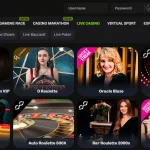
Live Dream Catcher Casino UK: How the Game Works
 Available in GB

The guide separates the studio session from the betting interface and explains what demos, reviews and bonuses can—and cannot—tell you.
Table of Contents
- How a Live Dream Catcher Session Is Delivered
- What the Live Casino Format Changes
- How to Assess a Live Casino Site
- What You Can and Cannot Infer About the Game
- A Live Wheel Is Not the Same as an RNG Wheel
- Check the Site’s Licence Before You Play
- What a Demo Can—and Cannot—Tell You
- Reading a Live-Casino Review Critically
- Before You Join a Live Table
- How Bonuses Can Affect Live-Game Play
How a Live Dream Catcher Session Is Delivered
A live Dream Catcher session uses two connected parts: a real-time video feed from a studio and an on-screen interface through which you place bets. The studio supplies the live gameplay, with a human dealer present; the interface lets you take part remotely. You are not controlling the studio equipment. You are watching the session and submitting your choices through the casino’s software.
This arrangement is the basic meaning of a live Dream Catcher game at an online casino. The word “live” describes the delivery of gameplay from the studio as it happens. It does not mean that your device runs the game locally, or that you are physically present at the table. Your screen brings together the video and the controls needed to participate.
Two parts of one session
The studio feed and the betting interface have separate jobs. The video shows the live session and the human dealer. The interface presents the options you can select and carries your bet to the game. For a player, these elements appear together on the screen, but they are not the same thing: the video is what you observe, while the controls are how you submit a choice.
When looking for a UK casino for live Dream Catcher, you can use the listed payout speed as one point to consider. Check the casino’s current game and payment details before you play.
1. x3bet
Payout speed: 1-3 business days The listed payout speed for x3bet is 1–3 business days, a detail you can factor into your choice.
2. SpinFormula
Payout speed: 1-3 business days SpinFormula has a listed payout speed of 1–3 business days. You can use this as one point when reviewing its payment details.
3. Zombillion
Payout speed: 1-3 business days Zombillion’s listed payout speed is 1–3 business days, which gives you a stated timeframe to consider.
4. NightLuck
Payout speed: 1-3 business days NightLuck lists a payout speed of 1–3 business days. You may want to check its current payment terms for further details.
5. Revery Play
Payout speed: 1-3 business days Revery Play has a listed payout speed of 1–3 business days. This gives you one concrete payment detail to consider.
6. BeOnBet
Payout speed: 1-3 business days BeOnBet’s listed payout speed is 1–3 business days. You can take this stated timeframe into account when reviewing the operator.
7. SlotoSport
Payout speed: 1-3 business days SlotoSport lists a payout speed of 1–3 business days, offering you a stated timeframe to bear in mind.
8. EvoSpin
Payout speed: 1-3 business days EvoSpin has a listed payout speed of 1–3 business days. You can check its payment terms for any additional information.
9. Amunbet
Payout speed: 1-3 business days Amunbet’s listed payout speed is 1–3 business days, a payment detail you can consider.
10. WinBeast
Payout speed: 1-3 business days WinBeast lists a payout speed of 1–3 business days. You can use this stated timeframe as part of your review.
That distinction helps explain what happens when you play Dream Catcher online. Watching the stream alone does not place a bet. To participate, you use the on-screen controls. Conversely, selecting a control is not the same as operating the live equipment in the studio. The software passes your selection into the live game environment while the studio continues to provide the real-time gameplay.
A session therefore has a viewing side and an interaction side. You can follow what is happening in the studio, then use the interface to take part. The live element is the streamed gameplay; the online element is the means by which you view it and place bets from your device.
What your screen is doing
Your device receives the studio video and displays the casino’s controls alongside it. The exact screen arrangement can vary, but the central function is consistent: the video lets you see the live session, while the interface gives you a way to submit bets. The interface is not a second dealer or a separate physical game. It is the connection between your action as a remote player and the live session being streamed.
This also clarifies the difference between observing and participating. If you keep the stream open but do not make a selection, you are watching. If you use the available controls to place a bet, you are participating through the online interface. In either case, the studio remains the source of the live gameplay. Your screen is the access point, not the location where the dealer is working.
Casino Dice Games in the UK: Rules and Site Checks
When people look for an online casino with Dream Catcher, they may focus on the game name, but the delivery format matters too. A live listing should make clear that it is a streamed session with a human dealer and controls for placing bets. That is a more useful way to understand “live” than treating it as a label for a particular visual style or assuming it describes every element of the game.
The path from screen to studio
At a general level, participation follows a straightforward path. You view the studio stream, make a selection using the displayed interface, and submit your bet through that interface. The live gameplay continues in the studio, where the human dealer is present. The stream lets you follow that activity as it unfolds.
The important boundary is between your input and the studio’s activity. You interact with the game through software; you do not physically handle equipment or communicate a bet by speaking to the dealer. The dealer is part of the live studio presentation, while your bet is entered using the controls shown on your screen. This is how a remote player can take part in a live dealer game without being in the studio.
Your interaction with a live dealer game occurs through software; you do not physically handle equipment or communicate bets verbally to the dealer.
The stream and controls need to work together for the session to be usable: one provides the view of gameplay, and the other provides the means to bet. But they remain distinct components. Seeing the dealer does not, by itself, tell you which choices the interface offers. The controls are where you see the available betting options for that session.
What “live” establishes
For a live Dream Catcher online casino session, the general format establishes that gameplay is streamed in real time from a studio with a human dealer and that you place bets through an on-screen interface. It describes how the session reaches you and how you interact with it. It does not, by itself, explain the game’s specific rules, the available bet types, or how any particular outcome is determined.
That separation matters when you assess what you are seeing. The video shows the live studio activity; the interface is the route for your participation. Neither the name of the game nor the presence of a live dealer removes the need to read the options and rules displayed for the game. The delivery format tells you how to join the session, not what every choice means.
If you are considering where to play Dream Catcher online, think of the listing as access to a streamed game rather than as a game running entirely on your own device. You watch the studio feed and use the casino interface to place bets. That is the basic structure behind online casinos with Dream Catcher: a live human-led session presented through video, paired with software controls for remote play.
Mines Casino Game in the UK: Rules and Licensing
What the Live Casino Format Changes
The live format changes the conditions under which you make decisions. Compared with a digital game, a live table moves more slowly, generally asks for a higher minimum stake and depends on a stable internet connection. These are not just technical differences: they affect how long you wait between decisions, how much you need to commit to take part and whether interruptions can disrupt a session.
Pace: decisions happen in a sequence
A digital game can move directly from one round to the next through software. Live play has a human dealer and a real-time sequence of actions, so the game cannot progress at the same pace as an automated version. The dealer must carry out each stage, and players need time to place or adjust their bets through the interface. As a result, there is more waiting between decisions.
That slower rhythm can change how you manage attention. You have time to follow the action, but you may also spend longer waiting for a new opportunity to act. If you prefer rapid rounds, the pauses may feel significant. If you want to observe each stage before deciding what to do, a slower sequence may be easier to follow. Neither pace changes the underlying uncertainty of gambling; it changes how quickly events unfold.
Slower game pace does not make any individual bet safer or guarantee that you will lose less money.
The pace also affects how many decisions fit into a session. A slower game generally means fewer rounds pass during the same period than in a digital version. That can make a session feel less intense, but it does not make any individual bet safer or guarantee that you will lose less. A useful distinction is between speed and risk: speed describes how quickly the game proceeds, while risk depends on the stakes and the game’s rules.
Minimum stakes: access depends on the table
Live tables can set higher minimum bets than digital games. The minimum is the smallest amount the interface will accept for a bet, so it determines whether a table fits the amount you have chosen to risk. If the minimum is above your planned stake, you cannot simply place a smaller bet; you need to choose another table or not play.
A specialist review has reported starting points near 20p at some live roulette and baccarat tables, while describing blackjack tables as opening at higher stakes. Treat that as the report of one review, not as a fixed price or a promise about the table you will find. Limits can differ between tables and operators, and the relevant figure is the one displayed for the specific game when you are considering it.
This matters when comparing live Dream Catcher with a digital game, too. The broad difference in minimum stakes is a feature of live tables generally; it does not establish a particular Dream Catcher table’s entry limit. Check the amount shown in the interface before placing a bet, and consider whether it fits your budget for the whole session rather than only the first decision. A minimum that appears small can still lead to repeated spending if you keep playing.
Chicken Road Game in UK Casinos: Format and Risks
Connection: the stream is part of the playing conditions
Live play relies on a stable internet connection because the game is delivered in real time. If the connection becomes unreliable, the video or interface may lag, pause or fail to keep pace with the action. That can make it harder to see what is happening and to know whether your input has been registered. It is a different constraint from a digital game that does not depend on a continuous live stream.
Connection quality is therefore part of the practical choice, not a detail to consider only after a problem occurs. A weak or fluctuating connection can make the experience frustrating and leave you uncertain about the current state of the game. Avoid treating a delayed display as evidence that an outcome has changed or that a bet has been accepted. Use the information shown by the interface, and do not keep submitting an action when its status is unclear.
These differences combine. A slower round gives you more time between decisions, but a poor connection can interfere with that sequence. A higher minimum stake may limit which live tables suit your budget, regardless of how comfortable the pace feels. When considering a live casino game, including Dream Catcher, assess pace, table minimum and connection as separate conditions. The name of a game does not remove the practical limits of the live format, and none of these conditions guarantees a particular result.
Practical Live Conditions
- Live games generally move slower than digital versions due to human dealer actions.
- Minimum stakes on live tables are often higher than in digital games.
- A stable internet connection is essential to avoid lag or interface failure.
How to Assess a Live Casino Site
When comparing places to play live Dream Catcher, assess the operator rather than relying on a game name, promotional claim or star rating. A site can present a live table attractively without that telling you whether the operator is authorised to serve customers in the UK. The first check is therefore legal: live-dealer casinos are legal in the UK when the operator holds a licence from the UK Gambling Commission.
Look for the operator’s legal name and licensing information on the site, often in its footer or terms. Then check the details against the Gambling Commission’s own register. The name should identify the business responsible for the gambling service, not merely a brand or website address. If you cannot tell which company operates the site, or the information does not match the regulator’s record, do not treat a logo or a licensing claim as proof. A UK-facing operator needs the relevant UK licence; an overseas authorisation is not a substitute.
A licence is a threshold check, not a verdict on every feature. It does not establish that a particular table will suit you, that every promotion is useful, or that a specific game has rules you prefer. Treat those as separate questions and look for information that is clear enough to check before you register or deposit. If a site’s claims are difficult to verify, that uncertainty is itself relevant to your decision.
JetX Casino Game in the UK: Formats and Play
Next, examine how the site identifies the live game you intend to play. Confirm that the listing is for the game you mean, rather than a similarly named product or a general live-casino category. Check what the site says about access, table conditions and any restrictions attached to play. Do not infer details from the title alone: the game’s name does not establish its rules, available options or operating conditions. The useful standard is simple: information that affects your choice should be visible before you commit funds.
Read the operator’s terms where they apply to your account and activity. Look for conditions that could change how you use an offer, withdraw funds or access a game. Separate general promotional language from the binding terms, and check whether a restriction applies specifically to live games. Do not opt into a bonus until you understand its wagering requirements, game weighting and maximum bet limits. If the wording is vague, or the terms leave an important condition unclear, ask the operator for clarification before accepting the offer. A headline amount cannot tell you whether the underlying conditions fit your plans.
Assess the site’s basic navigation as well. You should be able to locate the operator’s identity, licence information, terms and help channels without relying on a search of the wider web. This is not a measure of game quality; it is a practical test of whether essential information is available when you need it. Check that support routes are clearly described and that the site explains how to raise an account or payment concern. Do not assume that a polished interface guarantees prompt or satisfactory service.
Assessing a Casino Site
- Verify the operator’s legal name and UK Gambling Commission licence.
- Confirm the listing is specifically for the intended game.
- Review account terms, wagering requirements, and game weightings.
- Ensure support channels and legal information are easy to locate.
Consider your own limits before choosing a site. Set a budget for gambling and keep to it, rather than using a site’s promotions or table availability as a reason to increase your spending. A regulated operator is not a way to remove the financial risk of gambling. The licence check answers whether the operator meets the UK legal condition; it does not predict your results or make a session affordable.
Reviews can help you identify questions to investigate, but they should not replace direct checks. A recommendation labelled as the best place to play Dream Catcher may reflect the reviewer’s criteria, which may differ from yours. Look for specific, testable statements and compare them with the operator’s own information and the regulator’s record. Be cautious when a review makes broad assurances without explaining what they are based on, or when it presents a promotional link without making the commercial relationship clear.
A sound assessment is therefore a sequence, not a single score: identify the operating company, verify its UK Gambling Commission licence, inspect the relevant game and account terms, and decide whether the site’s information and controls meet your needs. If any essential detail cannot be confirmed, pause rather than filling the gap with an assumption. This approach helps distinguish a legally eligible UK site from a merely persuasive presentation, without treating either a licence or a review as a guarantee of a particular experience.
Best 3-Reel Slots UK: How Online Play Works
What You Can and Cannot Infer About the Game
The phrase “Dream Catcher live casino game” can describe a game presented through a live-casino interface, but that label alone does not establish how the game works. Live-dealer games share a broad delivery format: a studio streams gameplay in real time, a human dealer is present, and you submit bets through on-screen controls. Those details explain the format, not the specific rules or outcomes of Dream Catcher.
If you open a live game, the stream can show the activity taking place in the studio. You can observe what appears on screen as the session progresses, while the interface provides the means to place a bet. That gives you a view of the presented gameplay and its timing. It does not, by itself, tell you how every game-specific feature is defined, which choices are available, or how a result is calculated.
This distinction matters when deciding whether to play the Dream Catcher casino game. A live presentation is not a substitute for the game’s rules. The stream may let you follow events as they happen, but only the displayed rules can explain what your selections mean and how they relate to a result. Before staking money, read those rules and the paytable shown for the particular game. Do not infer a payout, winning condition or betting option from the game’s name, visual design, or the way another live title works.
The same limit applies to outcomes. Seeing a sequence of events on screen tells you what has just been presented; it does not establish what will happen in a later round. A previous result is not evidence that a particular outcome is due, and watching a session does not reveal a dependable pattern for future results. Treat each displayed result as an event in the session, not as a forecast.
Do
- Read the displayed rules and paytable before staking.
- Treat each result as a separate event in the session.
- Use the interface to confirm your selections.
Don’t
- Infer rules from the game’s name or visual design.
- Assume previous results forecast future outcomes.
- Rely on a live stream as a substitute for the written rules.
A useful way to assess what you see is to separate three things: the stream, the interface and the rules. The stream shows real-time gameplay from the studio. The interface is where you enter a bet. The rules define the game’s available choices and how results are treated. Only the first two are part of the general live-dealer format; the third must be checked for the specific title.
So, if you want to play Dream Catcher, do not assume that its mechanics match another game just because both appear in a live casino. Confirm the instructions on the game screen before betting, and base your decision on the stated rules rather than on appearances or past rounds. The live format tells you how gameplay is presented and how bets are submitted. It cannot, on its own, tell you the game’s particular mechanics or predict its outcomes.
This is entertainment, not gambling advice.
A Live Wheel Is Not the Same as an RNG Wheel
In roulette, the distinction between live and computerized play is about how the result is produced. In live roulette, a dealer spins a physical wheel and the ball lands in a numbered pocket. In computerized roulette, a Random Number Generator (RNG) determines the result instead. Both formats present a number for players to bet on, but the mechanism behind that number is different.
Online European Roulette in the UK: Rules and Odds
The basic roulette wager is straightforward: you select a number, and you win if the ball lands on it. With a live wheel, the result is observed as the ball settles on a pocket. With an RNG game, the result comes from the computer’s random-number process rather than a ball moving around a physical wheel. A digital display may show the outcome, but that display does not make the game a live physical-wheel event.
These labels describe roulette. They should not be used to fill gaps in what is known about another game. The fact that live roulette uses a physical wheel does not establish that the Dream Catcher wheel is physical, or explain how its result is generated. Nor does the fact that computerized roulette uses an RNG prove that Dream Catcher uses one. The name “wheel” alone is not enough to identify the mechanism.
When you see a live casino wheel on screen, distinguish what the stream lets you observe from what it establishes about the game’s operation. A streamed image may show a wheel and the events taking place in the studio, but roulette-specific facts cannot be transferred to Dream Catcher simply because both games involve a wheel. For Dream Catcher, rely on its own rules and game information to understand how a result is produced; do not assume that roulette’s physical-wheel process applies.
Roulette’s use of a physical wheel does not establish how the Dream Catcher wheel operates; rely on the specific game’s rules to understand its result-generating process.
This also keeps comparisons precise. “Live” and “RNG” are not interchangeable descriptions: one refers here to roulette played with a dealer spinning a physical wheel, while the other refers to computerized roulette using a Random Number Generator. Neither description, on its own, says how a different wheel game works. The useful question is not whether two games look similar on screen, but whether their stated rules identify the same result-generating process. If they do not, roulette provides an illustration of two formats, not evidence about Dream Catcher.
Check the Site’s Licence Before You Play
Before using a live Dream Catcher casino site, establish whether the operator holds a current licence from the UK Gambling Commission. In the UK, live-dealer casino play is legal when it is provided by an operator with that licence. The relevant question is therefore not simply whether a site offers a streamed game, but whether the operator is authorised to serve players in this market.
A game’s appearance does not establish the operator’s regulatory status. A live video feed, a dealer on screen or a familiar casino-style interface is not proof of a UK licence. Treat the licence as a separate check, rather than inferring it from how the site presents its games.
Look for the operator’s legal identity and licensing information, then compare those details with the UK Gambling Commission’s records. The name shown on the site should correspond to the licensed business; a similar brand name alone may not be enough to make that connection clear. If you cannot identify the operator or match it to a current licence, do not assume the site is authorised for UK play.
Five-Reel Slots UK: How the Games Work
This check applies whether you are considering one live table or comparing several live Dream Catcher casino sites. Different brands may be operated by separate businesses, so a licence associated with one operator does not establish the status of another. Check the specific operator behind the site you intend to use, not just a parent brand, a game page or a statement about licensing in general.
The licence condition concerns the operator, not a prediction about the game. It does not tell you what will happen in a session or guarantee a particular result. It establishes that the operator meets the UK’s licensing requirement for offering live-dealer casino games to customers here.
If the site’s licensing details are unclear or do not match the regulator’s records, pause before registering or depositing. For a UK player, a live dealer casino is legally available only through an operator holding a UK Gambling Commission licence. Treat that as a basic entry condition, not an optional sign of quality.
What a Demo Can—and Cannot—Tell You
A Dream Catcher demo can be useful for seeing how a live game is presented, if the site offers one. But watching a game is not the same as learning its rules. A live-dealer game streams play from a studio, where a human dealer runs the game, while players use an on-screen interface to place bets. A demonstration may show those elements in action; it does not, by itself, explain every rule that determines how a bet is settled.
A demo is for observing the presentation and interface; it is not a substitute for reading the rules or a source of real payouts.
Treat a live casino demo as an opportunity to observe, not as proof of how Dream Catcher works. You may be able to follow the sequence of a round and see what appears on screen. To understand what you can bet on, how each option is settled, and what the game’s displayed terms mean, read the rules and paytable provided by the operator before playing. Do not infer a rule from a visual feature or from a result you happen to see.
The same distinction applies if you are looking for a Dream Catcher live casino demo. The phrase describes the kind of experience a player might seek, but it does not establish that a particular site provides a demo, or what that demo includes. Check the site itself for the available mode and its explanation. If there is no demo, do not assume that a video or promotional display offers interactive practice.
A free-play mode, where available, is not a source of real payouts. Its results do not establish what you would receive when placing real-money bets. Nor does observing a round guarantee that you have understood every condition attached to the game. Keep what you see separate from what the rules state: the stream shows events as they happen; the written rules define how those events affect bets.
Use a demo to become familiar with the presentation and interface, not to predict future results or substitute for checking the rules. This content is for entertainment purposes only and is not gambling advice.
Reading a Live-Casino Review Critically
A review of Dream Catcher in a live casino is most useful when it separates observable playing conditions from opinion. A statement that a session feels slow, for instance, is a judgement; a comparison with digital games has a clearer basis, because live games run at a slower pace. Look for wording that explains the comparison rather than treating “fast” or “slow” as a universal measure of quality.
Pace affects how quickly you can act, but it does not by itself tell you whether a game suits you. A review should not imply that a slower session is necessarily better or worse. Instead, consider whether it describes the experience in terms you can apply: live play takes longer than digital play, so the session may feel different from a game that moves without a live table format. Be wary of claims that turn that difference into a promise about enjoyment or results.
Connection claims deserve similar scrutiny. Live games require a stable internet connection. A review that presents uninterrupted streaming as guaranteed goes beyond that condition: your experience depends on the connection being stable while you play. Useful commentary identifies the connection requirement plainly, rather than suggesting that a particular experience is assured for every player.
Minimum stakes are another practical point to assess. Live games have higher minimum bets than digital versions, so a review that describes live play without mentioning the difference leaves out a factor that can affect whether the format fits your budget. Treat broad claims about affordability cautiously unless they explain what they are comparing; a general label such as “low stakes” does not establish what you will find at a particular table.
Pace
Live games are slower than digital ones, which affects the rhythm of decisions and attention management.
Connection
Stability is a practical requirement; poor connection can lead to lag and uncertainty about bet registration.
Minimum Stakes
Live tables often have higher entry limits, which determines if a table fits your specific budget.
When reading a Dream Catcher live-casino review, separate three kinds of statement: a comparison with digital play, a practical condition such as connection stability, and the reviewer’s personal verdict. The first two can be checked against the format’s known characteristics; the verdict remains an opinion. A balanced review makes that boundary visible and avoids presenting one person’s experience as a reliable prediction of yours. This helps you judge the playing conditions without confusing a confident tone with evidence.
Before You Join a Live Table
Before you play Dream Catcher live, check whether the pace and conditions suit you. Live games move more slowly than digital versions, so you may need to wait between decisions. Allow for that difference when deciding how long to play; do not treat a slower round as a reason to raise your stake or continue beyond your budget.
Check the table’s minimum stake on the screen before joining. Limits vary by game and table. A specialist review has reported that some live roulette and baccarat tables begin at around 20p, while blackjack tables can have higher entry limits. Treat that as a report about particular tables, not a guaranteed price or a general rule for every operator. The amount shown for the table you are considering is the relevant figure.
Your connection matters throughout play. Live games need a stable internet connection, so check that your connection is reliable before opening a table. If the stream or interface becomes difficult to use, pause rather than placing bets when you cannot follow the round clearly.
Set a budget before you join and keep to it. Check the displayed rules and available stake limits before confirming a bet, so you know what the interface will accept. If the pace, minimum stake or connection conditions do not fit your plans, do not join that table.
This is practical information for entertainment, not gambling advice. Live play still involves the risk of losing money, and a table’s minimum stake does not indicate what you should wager.
How Bonuses Can Affect Live-Game Play
A bonus can look substantial in its headline description but have limited use at a live table. The key detail is game weighting: the operator’s terms specify how much each eligible game contributes towards the wagering requirement. Live games may count for only a small share; one example is a 10% weighting. That means a stake at a live table may make much less progress towards the requirement than a stake on a game with full weighting.
Check the terms before opting in. Confirm whether the live game you intend to play is eligible, what weighting applies, and whether any maximum-bet condition affects bonus play. Do not assume that a bonus balance can be used wherever real-money play is available. If the terms are unclear, contact the operator before accepting the offer.
The form of the offer matters too. A specialist review describes most UK welcome offers as free spins on slots, which cannot be used at live tables. That is a reported description, not a guarantee about every offer: read the individual promotion’s rules rather than relying on a general label. If the offer consists of slot free spins, it will not fund a Dream Catcher session.
Compare the bonus with the play you actually want to do. If live games have low weighting or are excluded, the offer may add little value for that purpose, even if it appears generous. You can decline a promotion and play without it; accepting one introduces conditions you need to track. Set a budget before playing and do not increase it to meet a wagering requirement. This is entertainment information, not gambling advice.
How do you play live roulette?
You place bets through the on-screen interface while a dealer spins a physical roulette wheel. You win if the ball lands on a number you selected.
How do you choose a live dealer casino?
In the UK, choose a casino that holds a UK Gambling Commission licence. Check the table’s minimum bet and make sure your internet connection is stable enough for live streaming.
Why does the dealer always win in blackjack?
The dealer does not always win: your aim is to beat the dealer with a hand totaling 21 or less. Blackjack still has a house edge, so the casino has an advantage over time.
What are the different types of roulette you can play with a live dealer?
Live roulette includes European, American and French variants. American Roulette has 0 and 00, while European Roulette has a single 0; in French Roulette, an even-money bet loses only half when the ball lands on zero.
Casino Games

Aviator Casino Game in the UK: What to Check
A practical guide to UK licensing, game mechanics, trial play, bonus terms and the limits...

Best 3-Reel Slots UK: How Online Play Works
A practical guide to layouts, stakes, free play, volatility and features, plus checks for online...

Five-Reel Slots UK: How the Games Work
See how reel layouts, paylines, free-play modes and stake choices shape the way five-reel slots...

Bonus-buy slots in the UK: demos, rules and risk
See how bonus-buy features affect slot play, what free versions leave out, and why stake...

Keno Payouts at UK Online Casinos: Draws and Timing
Keno results depend on random draws and number matches, while withdrawal timing follows a separate...

UK Casino First-Deposit Bonuses: How Offers Work
A guide to how deposit-linked promotions work, what eligibility depends on, and why promotional credit...

High Volatility Slots in the UK: How Payouts Work
High volatility means wins may be less frequent but larger, not that outcomes follow a...

Keno Online Casinos in the UK: Odds and Rules
A practical guide to keno mechanics, payouts, number selection and the factors that shape real-money...

Live Casino UK: How Online Tables Work
A guide to live-table mechanics, UK regulation, real-money play, game rules and the terms attached...

Low-Volatility Slots in the UK: How They Work
See how win frequency and payout size shape a slot’s return pattern, and why volatility...

Online slot payout percentages: how they work
A payout percentage describes a slot’s expected return over extensive play, while a single session...

Best Progressive Jackpot Slots: How They Work
Progressive jackpots grow from wagers on connected games, while triggers, bet qualifiers and payout conditions...

RTP Casino Slots in the UK: How Returns Work
RTP describes a slot’s theoretical return across many plays, while individual outcomes depend on the...

High-RTP Slots in the UK: How RTP Really Works
RTP is a long-run theoretical measure; volatility, mechanics and the version played shape what a...

Video Slots in the UK: How the Games Work
See how reels and paylines determine results, and explore demo play, bonus rounds, UK player...

Casino Dice Games in the UK: Rules and Site Checks
Online dice games can differ in their rules, outcomes and stake treatment, so assess each...

Chicken Road Game in UK Casinos: Format and Risks
The Chicken Road name alone does not confirm a game's rules, layout or outcomes, so...

Classic Slots Online in the UK: How They Work
Classic slots use game-specific symbol patterns, paylines and controls, with free-play and real-money options on...

Crash Casino Games in the UK: How They Work
See how crash games fit into online casino gambling, what demos can show, and why...

Crazy Time Live Casino Game in the UK: How It Works
Live casino combines a real-time studio stream with on-screen controls for placing bets, while the...

Deal or No Deal Casino UK: Bonus Game Guide
The bonus sequence separates qualification and optional Top Up from the Banker offers and briefcase...

Fastest Payout Online Casinos in the UK: How to Compare
Withdrawal speed depends on stated processing terms and payment timing; regulatory licensing alone does not...

French Roulette Online Casinos in the UK: Rules
See how zero changes qualifying bets, compare live and RNG play, and assess table limits,...

Fruit Machine Slots in the UK: How They Work
A practical guide to digital outcomes, classic fruit-machine features, RTP, demos and the terms attached...

Hi-Lo Casino UK: Rules, Formats and Strategy
Hi-Lo variants differ in deck setup, available choices, payouts and live presentation, so the rules...

JetX Casino Game in the UK: Formats and Play
Casino-game terminology can describe a broad category without confirming a title’s format or how its...

Live Baccarat Online Casinos in the UK: What to Check
A practical guide to UK licensing, live-dealer presentation and the table details that explain how...

Live Blackjack Online Casinos in the UK: Key Checks
Table pace, starting limits and stream stability shape the live blackjack experience and what to...

Live Casino Lightning Roulette UK: How It Works
A practical guide to the studio stream, betting controls, table formats, roulette bets, demo limits...

Live Roulette UK with English-Speaking Dealers
See how the live wheel and betting interface work, and what to consider when comparing...

Mines Casino Game in the UK: Rules and Licensing
Mines availability alone says nothing about a casino’s regulatory status; UKGC-regulated and offshore operators sit...

Monopoly Live Casino UK: How the Live Game Works
The guide explains the streamed format, betting controls, licensing and table conditions, and why game-show...

Online Bingo in the UK: Games, Tickets and Slots
Bingo formats shape winning patterns, while ticket prices, free-ticket conditions, safety checks and slot access...

Online Casino American Roulette in the UK: How It Works
See how live and RNG versions differ, what the double-zero wheel changes, and how bets,...

Online European Roulette in the UK: Rules and Odds
See how roulette outcomes relate to wager choices, and how European roulette differs from other...

Online Casino Games for Real Cash in the UK
From slot rules and stake settings to bonus conditions and withdrawals, the guide explains key...

Online Casino Without ID in the UK: Age Checks
A UK-licensed casino must establish that you are 18 or over before it accepts a...

Penny Slot Machines UK: Costs, RTP and Free Play
A practical guide to minimum stakes, paylines, RTP, bonus funds and free-play options at UK...

Plinko Casinos in the UK: Licensing and Play
Plinko’s simple drop mechanic sits within a wider decision about licensing, real-money terms, demos, bonuses...

Progressive Slots Online in the UK: How They Work
Progressive jackpots build from contributions to connected games, with pool growth tied to qualifying play...

UK Slot Casino Sites: Licensing, Bonuses and Play
A practical guide to licensing, slot mechanics, mobile play, bonuses and limits for UK online...