Safe Online Casinos in the UK: Legal Checks and Protections
 Available in GB

A UKGC licence is the starting point, but domain, operator, payment, bonus and dispute checks also shape the protections available.
Table of Contents
- What Makes a Casino Site Legal for UK Players?
- How UK Casino Protections Work in Practice
- Check the Licence, Domain and Operator Before You Deposit
- What Reliability Means Beyond a Licence Badge
- Real-Money Play: Bonus Terms and the Turnover They Create
- Deposits, Withdrawals and Identity Checks
- What Safety Rules Change About Casino Games
- Licensed, Offshore and Crypto Casinos: Different Protections
- How to Compare Casinos Without Treating “Best” as a Guarantee
- Security Claims and the Limits of Non-UKGC Dispute Routes
What Makes a Casino Site Legal for UK Players?
A casino’s legal status depends on who it serves, not simply where its company is based. The UK Gambling Commission regulates operators that offer gambling to British players. A casino serving this market must hold a current UKGC licence to operate legally for those players, even if the operator is located elsewhere.
That requirement provides the starting point for assessing whether a site is a lawful place to gamble. A polished design, familiar games or reassuring wording does not establish legal status. Nor does a company’s registration in another country replace the UKGC licence required to serve the British market. The relevant question is whether the operator has permission from the regulator responsible for this market.
The Gambling Act 2005 sets the framework for gambling in England, Wales and Scotland. Under that framework, a casino involves an arrangement that gives people the opportunity to participate in casino games. Online delivery does not remove the operator from the rules: remote gambling businesses selling into the British market need the relevant Gambling Commission licence. The regulator’s role is therefore not limited to physical venues. It also applies to online casino operators that make gambling available to people in Great Britain.
When choosing a safe online casino in the UK for 2026, check the operator’s current licensing and terms before you deposit. The payout information below gives you one practical detail to consider.
1. x3bet
Payout speed: 1-3 business days x3bet lists a payout speed of 1–3 business days. Check its current terms for any conditions that apply to withdrawals.
2. SpinFormula
Payout speed: 1-3 business days SpinFormula lists payouts as taking 1–3 business days. You can use this timeframe as one factor when reviewing the operator.
3. Zombillion
Payout speed: 1-3 business days Zombillion’s stated payout speed is 1–3 business days. Review the current withdrawal terms to understand how that timeframe applies.
4. NightLuck
Payout speed: 1-3 business days NightLuck lists a payout timeframe of 1–3 business days. Check its current terms before relying on that estimate.
5. Revery Play
Payout speed: 1-3 business days Revery Play states that payouts take 1–3 business days. Consider this alongside the operator’s current terms when deciding whether it suits you.
6. BeOnBet
Payout speed: 1-3 business days BeOnBet lists a payout speed of 1–3 business days. Check the current withdrawal terms for any details that may affect your payout.
7. SlotoSport
Payout speed: 1-3 business days SlotoSport gives a payout timeframe of 1–3 business days. Review its current terms so you know what to expect when withdrawing.
8. EvoSpin
Payout speed: 1-3 business days EvoSpin lists payouts as taking 1–3 business days. Treat this as the stated timeframe and check the operator’s current terms for further details.
9. Amunbet
Payout speed: 1-3 business days Amunbet states a payout speed of 1–3 business days. Its current withdrawal terms can help you understand how that estimate applies.
10. WinBeast
Payout speed: 1-3 business days WinBeast lists a payout timeframe of 1–3 business days. Check its current terms before making a decision based on withdrawal timing.
What the licence establishes
A UKGC licence is the legal authorisation that allows an operator to provide the relevant gambling services to British customers. Without it, a casino cannot lawfully serve those customers as a UK-regulated operator. This distinction matters when you compare sites described as safe, trusted or secure: those descriptions are claims, while a licence is a regulatory status.
The licence does not mean that every session will be safe from loss, or that gambling carries no risk. Casino games involve the possibility of losing money. Instead, the licence identifies an operator that falls within the UK regulatory system. It gives you a concrete basis for understanding which regulator is responsible for the operator’s conduct, rather than leaving you to rely only on the site’s own assurances.
That is why “safe casino sites” is not a useful category unless safety is tied to something checkable. For a casino serving British players, the legal baseline is a UKGC licence. A site may use words such as “licensed” or “regulated”, but those words alone do not tell you which authority issued permission or whether that permission covers its services to British customers.
The distinction also applies to online slots. A game may be presented in the same way across different websites, but the game’s appearance does not determine whether the operator is entitled to offer it to players in this market. The operator’s regulatory status is the relevant starting point. A casino offering slots to British players needs the UKGC licence required for legal operation; a game catalogue is not a substitute for that authorisation.
Merkur Casino Online UK: Slots and Safety Checks
Why the operator’s location is not decisive
Online businesses can be based in one country and make their services available in another. For gambling, the location of the company does not by itself settle whether it may serve customers in Great Britain. An operator based abroad that targets or accepts British players still needs to meet the local licensing requirement. A foreign company cannot avoid that requirement simply by hosting its website or running its business from outside the country.
This is important because online access can make different operators look alike. A British player may be able to open pages from both a locally regulated casino and a business operating under a foreign framework. Accessibility is not the same as legal permission to serve the market. The question is whether the operator has the UKGC authority needed for its offer to British players.
The UKGC requirement also gives “legal” a narrower and more useful meaning than general claims about reliability. It does not certify that a site will suit every player or remove the financial risks of gambling. It establishes that the operator is authorised within the British regulatory framework. Claims about convenience, reputation or secure technology need separate consideration and should not be confused with the legal requirement.
For a casino serving British players, the legal baseline is a UKGC licence, regardless of the operator’s location or the site’s design.
The practical meaning of the baseline
If you are looking for safe online gambling sites, begin by separating legal status from marketing language. For British players, a casino must hold a UKGC licence to operate legally. That is the baseline; it is not a ranking of operators and it is not a promise of a particular experience. A site that lacks the required authorisation should not be treated as a lawful UK casino merely because it accepts British customers or displays games commonly found on licensed platforms.
A licence also makes clear which regulatory framework applies to the operator. Without that starting point, you cannot assume that the same local rules govern the site. This is why “trusted” and “secure” are not substitutes for a UKGC licence: they describe impressions or technical claims, whereas the licence addresses the operator’s legal authority to serve the market.
If this page includes links to partner casinos, Velobet may receive a commission when you register through them. That commercial relationship does not change the licensing requirement or make a casino legal. The same baseline applies regardless of how a site is introduced: an operator serving British players needs the appropriate UKGC licence to operate legally.
Once you understand that boundary, the word “safe” becomes easier to assess. It should not rest on a badge, a slogan or the fact that a site is available from Britain. The first question is whether the operator is authorised by the regulator responsible for gambling operators serving British players. Only after that legal baseline is clear does it make sense to examine the particular safeguards and processes attached to the site.
Anjouan Casino Licence in the UK: What It Means
How UK Casino Protections Work in Practice
A UKGC licence comes with controls that should affect what you can do in an account, not just the wording on a website. For a player, the practical test is whether the account lets you set limits, pause gambling or exclude yourself, and whether the operator keeps player money apart from its own operating funds.
Limits and pauses
A licensed operator must provide deposit limits. These let you restrict how much you can deposit over a selected period. New customers must be prompted to set a financial limit before making their first deposit, and account-level limit controls must remain accessible afterwards. A limit is useful only if you can find it and understand what it applies to, so check the account controls before adding money.
A deposit limit controls incoming funds; it does not itself stop you using money already in your account. A time-out serves a different purpose: it lets you take a break from gambling for a period. During a time-out, the operator applies the pause to your gambling access under its rules. Read the on-screen explanation before confirming, so you know when the pause begins and what account functions remain available.
These tools are not interchangeable. A limit restricts deposits, while a time-out interrupts play. If you need to prevent yourself from gambling rather than simply reduce deposits or pause temporarily, self-exclusion is the relevant control.
GamStop self-exclusion
UKGC-licensed operators must provide self-exclusion through GamStop. Registering with the scheme is intended to prevent you from using covered online gambling accounts, rather than merely hiding promotional messages or switching off a particular game. It is a stronger measure than a site-level time-out because it applies across participating operators.
Self-Exclusion
Do not treat a site-level time-out as equivalent to GamStop self-exclusion, and do not attempt to bypass an exclusion by opening another account.
Use the exclusion option when you want a barrier to gambling, and read the scheme’s instructions carefully before registering. Do not treat a time-out at one casino as equivalent to GamStop self-exclusion: the former is an account pause, while the latter is a wider exclusion mechanism. If you have excluded yourself, do not try to work around that decision by opening another account.
Keeping player money separate
Licensed operators must segregate player funds from their operating capital. In practice, this means money held for customers is kept apart from funds the business uses to run its operations. The distinction matters if the operator faces financial difficulty: customer balances are not simply part of the same operating pot.
Segregation is a financial safeguard, not a promise that every balance will be returned in every possible circumstance. It also does not replace the account controls above. Limits, time-outs and self-exclusion manage gambling activity; separating funds addresses how the operator holds customer money.
Age checks before access
Age verification is required before you can access gambling-related content on a licensed platform, including free game demos. A demo may not involve a real-money stake, but it is still gambling-related content, so the fact that it is free does not remove the age check.
Operators must also verify your age before allowing you to deposit funds into a gambling account. These are distinct access points: verification is required before gambling-related content is made available and before the operator accepts a deposit. If a site lets you browse or play gambling content without an age check, that is not a protection to overlook simply because you have not yet deposited.
Offshore Casino Sites for UK Players: Rules and Risks
Together, these measures address different risks. Deposit controls can limit how money enters an account, time-outs and GamStop can interrupt or prevent gambling, fund segregation separates customer money from operating capital, and age checks restrict access. A safe online casino in the UK should make these protections usable in the account, rather than leaving you to rely on a general safety statement.
Check the Licence, Domain and Operator Before You Deposit
Treat a licence badge as a starting point, not proof by itself. A logo or a general statement that a casino is regulated does not show which business holds the licence or whether it covers the website you are using. Verify those details against the UK Gambling Commission’s public register before you deposit.
Start with the site’s licence information
Find the casino’s licensing details, often in the footer or in a page labelled “About”, “Terms” or “Licensing”. Look for the licence number and a working link beside the information that leads to the regulator’s official register. Follow that link rather than relying on a screenshot, a copied number or a search result.
If the licence details have no working registry link, or the link leads somewhere other than the Commission’s register, pause. Open the register directly through the UK Gambling Commission’s official website and search there. This lets you check the entry at its source.
Match the details, not just the brand
Compare the licence number shown by the casino with the number in the register. Then check the exact website domain you have open. A similar spelling, a different domain ending or a brand name appearing on a page is not enough: the register entry must correspond to the site you intend to use.
Verifying a Licence
Check the registry link
Find the licence number in the footer or "About" page and follow the link directly to the official UK Gambling Commission register.
Match the domain
Ensure the exact website domain you are using corresponds to the one listed in the registry entry.
Verify business names
Compare the trading name and the legal business name in the register with the information provided on the casino site.
Next, compare the trading name and the legal business named in the register with the information on the casino’s own site. A brand can differ from the name of the business that operates it, so check how the names relate rather than assuming that a familiar brand proves the connection. The details should form a consistent chain: the registered business, its trading name, the licence and the domain.
If any part of that chain conflicts—for example, the licence number belongs to a different business or the domain does not match—do not deposit until you can resolve the discrepancy through the official register and the operator’s own licensing information. A badge cannot correct a mismatch.
Make the check before entering payment details
Use the same sequence whenever you revisit a casino, especially if you arrive through a new link or the site presents a different domain. A page can look familiar while sending you to another address; checking the address bar against the register helps catch that difference.
This process does not require you to judge how reassuring the site’s wording sounds. It asks you to compare identifiable details with the regulator’s record. If you cannot establish a match for the current licence, exact domain, trading name and legal business, you have not verified that the site is covered by the licence it claims.
Curacao Casino Licence UK: What Players Should Know
What Reliability Means Beyond a Licence Badge
A UKGC licence establishes that an operator is authorised to serve customers in Great Britain. It does not, by itself, tell you how clearly the operator explains its procedures or how consistently it handles your account. To judge whether a casino is reliable, look for information you can check and processes whose effects are understandable before you commit money.
Start with the operator’s own explanations. They should identify the legal business behind the casino and make important account rules accessible, rather than relying on broad claims such as “safe”, “trusted” or “instant”. Read the terms that apply to your account and note whether key conditions are stated plainly. If wording leaves you unable to tell what the operator may ask you to do, or when a restriction could apply, seek clarification before depositing.
Reliability also depends on how the operator handles requests and decisions. Customer support should be reachable through a stated channel, and its answers should address the question rather than repeat promotional language. Keep a record of important communications and account notices. That gives you a clear basis for following up if the operator’s later actions do not match what it told you.
Why an operator may ask about income
A licensed casino may request income information as part of an enhanced affordability check. These checks apply when a customer meets certain criteria, and the spend thresholds that trigger them are not disclosed. That means you cannot reliably predict the point at which a check will occur by looking for a published spending figure.
Attention: A request for income information as part of an enhanced affordability check does not necessarily mean the site is unsafe, but you should clarify the request before sending data.
If a request arrives, it does not by itself mean that the operator has found a problem or that the site is unsafe. It may be the operator responding to its affordability process. The request can involve verifying income, so read the explanation provided and follow the stated submission route. If you do not understand what information is being requested or why, ask the operator to clarify before sending it.
This is one reason a promise of uninterrupted access should not be treated as evidence of reliability. A regulated operator may need to make a decision that interrupts normal account activity while it assesses information. What matters for your assessment is whether the reason is explained clearly and whether the operator tells you what action is required.
Assess the evidence, not the reassurance
When you read safe casino reviews in the UK, separate verifiable detail from a reviewer’s verdict. A useful review explains what it checked and distinguishes observable account conditions from claims about service quality. Treat phrases such as “safe and reliable” as conclusions, not proof; look for the underlying evidence and confirm important conditions against the operator’s own information.
The same principle applies on a phone. A polished mobile site does not establish that the business behind it is dependable. Check that account terms and support information remain accessible on the device you plan to use, and that you can understand the operator’s requests without relying on promotional wording.
No single feature guarantees a trouble-free account. A stronger assessment comes from consistent, specific explanations: who operates the casino, what may be requested from you, and how the operator communicates decisions. This site may receive a commission if you register with a partner casino. That commercial relationship is separate from the evidence you should use to assess any operator.
Online Casino Payouts in the UK: RTP Explained
Real-Money Play: Bonus Terms and the Turnover They Create
A bonus changes the amount you must stake before the associated funds can be withdrawn. That amount is called the wagering requirement: the operator counts eligible stakes towards a target, and the bonus terms define which bets count and how much each contributes. A large headline offer can therefore create a substantial turnover obligation. Read the calculation and restrictions before accepting a welcome offer or no deposit bonus.
The starting point is the amount to which the requirement applies. It may be the bonus alone or the combined deposit and bonus. A specialist review illustrates the difference using a £100 deposit matched by a £100 bonus and a 35x calculation: if the multiplier applies to the bonus, the target is £3,500; if it applies to the combined £200, the target is £7,000. These figures show how the two calculation methods work, not a permitted current incentive term: incentive wagering requirements must not exceed 10x. The lower cap is the relevant rule when assessing an incentive offered to you.
To check a term, identify the stated multiplier and its base. If the base is the bonus alone, multiply the bonus amount by the requirement. If the base is deposit plus bonus, add those amounts first, then apply the requirement. Do not infer the base from the offer’s headline or assume that only bonus funds need to be wagered; the terms must say what is counted.
Calculating Wagering Requirements
If the multiplier applies only to the bonus (e.g., £100 bonus at 35x), the target is £3,500. If it applies to the combined deposit and bonus (e.g., £100 deposit + £100 bonus at 35x), the target increases to £7,000.
Which bets count
A qualifying stake does not always reduce the target by its full amount. Each game or product may have a contribution rate: a percentage of your stake credited towards the wagering requirement. A specialist review describes slots as contributing the full stake, while table games may contribute only 5% to 10%. At those rates, a stake on a table game can reduce the remaining target much less than the same stake on a slot. Check the offer’s own game list and contribution table, because a game may be excluded or count at a reduced rate.
Bet limits can also affect progress. A specialist review reports that many operators set a £5 maximum eligible bet per spin while bonus credit is active. Treat that as a term to verify, not a universal limit: the offer you accept controls. If a stake exceeds the stated cap, the terms may say it does not count or may affect bonus eligibility. Keeping each bet within the listed limit avoids relying on a stake that might not advance the target.
The wagering calculation is only one part of the restriction. Check when the clock starts, which games count, whether the deposit must be wagered alongside the bonus, and what happens if you withdraw before completing the requirement. The terms should also explain when bonus funds or winnings are removed. These conditions determine whether a balance shown in your account is withdrawable or still subject to play-through rules.
Gibraltar Casino Licences in the UK: What to Check
Product scope and the decision to accept
An incentive must not require wagering across more than one gambling product type. For example, a single offer cannot combine casino play with betting, bingo or lottery activity as conditions of the same incentive. That rule makes the scope of the offer easier to identify: check which product it covers and whether the permitted games within that product are clearly specified.
The same checks matter when an offer is labelled no wagering. Read the conditions rather than relying on the label: determine whether any play requirement remains, which games are eligible, and whether a bet cap applies. If the calculation base or eligible activity is unclear, you cannot reliably estimate the turnover needed before withdrawal. Accepting the offer is optional; compare its restrictions with the value of playing without it.
Deposits, Withdrawals and Identity Checks
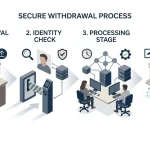
A deposit and a withdrawal are separate payment steps. The method available for adding money may not be available for receiving it, and a withdrawal can be held while the operator checks your identity or confirms ownership of the payment method. Check the cashier’s terms before depositing so you know which methods apply to each step and whether the withdrawal route must match your deposit route.
For gambling, UK remote operators cannot accept credit-card payments. This also covers credit-card funding routed through a money service business, and a wallet cannot be used if it lets credit-card funds pay for gambling. A payment option appearing in a cashier does not by itself establish that the transaction complies with these restrictions; check how the payment is funded.
Do
- Use debit cards or bank transfers
- Create an account and submit identity documents before depositing
- Verify the withdrawal route matches the deposit route
Don’t
- Use credit cards to fund gambling
- Use wallets that allow credit-card funding for gambling
- Rely on the cashier’s options as proof of regulatory compliance
Bank transfers can take longer to reach you than the operator’s own processing stage. One specialist review reported transfer times of 3–5 banking days across the brands it examined. Treat that as a reported comparison, not a guaranteed timetable for every casino or transaction. Check the operator’s stated processing conditions and your bank’s handling time; a completed casino-side approval does not mean the funds have already arrived.
Submit documents before depositing
Create your account, then send your identity documents before adding funds. This gives the operator time to review them before you need a withdrawal. You may be asked for documents again if the first images are unclear, details do not match, or the operator needs to confirm who owns the payment method.
A standard submission consists of:
- A government-issued photo ID, such as a passport or driving licence.
- Proof of address dated within the previous three months, such as a utility bill or bank statement.
- In some cases, confirmation that you own the payment method used.
Use readable images and make sure the name and address correspond with the account details. If the operator cannot match the documents to your account, the review may remain incomplete and a withdrawal may not proceed.
Identity checks also apply at the withdrawal stage: licensed operators must verify customers before processing withdrawals. Completing a document check early can therefore reduce avoidable delays, but it does not set the time taken by the payment provider or bank after the operator releases funds.
This account check answers whether the operator has verified your identity and payment details. It does not answer whether the casino is authorised to serve you. Those are separate checks: having submitted documents, or having a payment accepted, is not proof of a UKGC licence. Conversely, a licence does not mean you can skip the operator’s identity process. Check the licence independently and complete the account checks before funding your balance.
What Safety Rules Change About Casino Games
Safety rules affect the mechanics of play, not just the information an operator displays. For online slots in Great Britain, they change how quickly you can start another spin and how much you can stake in a single game cycle. The same slot rules apply whether you access a game through a casino website or its app.
Casinos Without a Swedish Licence: UK Rules
Autoplay is banned for online slots in Britain. You must start each spin yourself rather than setting the game to repeat spins automatically. That removes one way of continuing play without making a fresh decision each time. It does not prevent you from choosing to spin repeatedly, so the ban should be understood as a limit on a game feature, not as a guarantee that play will remain controlled.
There must also be at least 2.5 seconds between slot spins. The interval slows the pace at which consecutive results can appear and is intended to reduce session intensity. A game may take longer between spins, but it cannot shorten that minimum. If a slot offers controls that appear to speed up play, they do not override the required interval.
The stake limit depends on the player’s age. For customers aged 25 and over, the maximum online slot stake is £5 per game cycle; for customers aged 18 to 24, it is £2. The £5 limit for all adults took effect on 9 April 2025. These are slot limits, not a general ceiling for every casino game: a table-game bet and a slot stake are not governed by the same figure.
Statutory online slot stakes in the UK are capped at £5 per game cycle for players aged 25 and over, and £2 for those aged 18 to 24.
A specialist review reports a £0.10 minimum stake and bets of up to £100 per round at many UK casinos. Treat that as a reported range, not a guaranteed market standard or permission to stake that amount on a slot. The actual minimum and maximum depend on the game and the operator’s available options, while the statutory slot cap still applies. Check the displayed stake controls before starting; a headline limit for a round does not tell you what every game permits.
These mechanics help you predict the pace and permitted stake of a slot session, but they cannot tell you whether every aspect of a casino is safe. A slower spin cycle does not establish that an operator is properly authorised, and a compliant game feature does not remove the need to understand what you are choosing to stake. Keep the distinction clear: the rules described here constrain how online slots work, while other checks concern the operator and your account.
Licensed, Offshore and Crypto Casinos: Different Protections
A casino’s payment method does not determine which rules govern it. A site that accepts Bitcoin can hold a UKGC licence, while another crypto casino may operate under an offshore licence. Check the operator’s regulatory status separately from the currency it accepts: using cryptocurrency does not make a casino safer or give it UK protections.
Online casino no registration UK: browser play explained
For customers in Great Britain, operators offering remote gambling must hold a UKGC licence. An offshore licence does not replace that requirement, even if the operator is accessible to British players. Offshore regulators do not provide the same level of player protection as the UKGC or the Malta Gaming Authority. A licence from another jurisdiction therefore should not be treated as proof that the operator follows the safeguards that apply to licensed UK casino sites.
GamStop is another point to check. Operators with offshore licences are not required to connect to self-exclusion systems such as GamStop. If you have excluded yourself through GamStop, do not assume that an overseas operator will recognise that exclusion. The fact that a site accepts registrations from British players does not establish that it is connected to UK systems.
This distinction matters whether you are choosing a live casino, a slots site or a Bitcoin casino. The relevant question is not simply whether the site displays a licence badge, but whether the operator is authorised for the market it serves. A claim of being “licensed” without a UKGC licence does not establish that the operator is regulated for British customers. Nor does a crypto payment option change the operator’s licensing position.
Cryptocurrency can affect the payment route, but it does not remove the operator’s own processing stage. A specialist review reports that crypto withdrawals settle on-chain within 10–30 minutes after the operator has processed them. That timing describes the transfer after processing; it is not a promise about how long the casino takes to approve or release a withdrawal. It also says nothing about the operator’s regulatory status or the protections available if a dispute arises.
Caution: Fast crypto payouts are a technical feature and do not prove that an operator is UKGC-licensed or connected to GamStop.
Treat claims about fast crypto payouts and claims about safety as separate pieces of information. A quick on-chain transfer cannot verify who runs the casino, what licence governs it, or whether it participates in GamStop. Before registering, establish whether the operator has a current UKGC licence and consider what protections actually follow from that status, rather than relying on a payment method or a reassuring label.
If you register through a partner link on this site, Velobet may receive a commission.
How to Compare Casinos Without Treating “Best” as a Guarantee
A “best” label is a summary, not evidence that a casino suits your needs or will handle every situation as you expect. Treat comparisons as a way to identify candidates, then test each claim against information you can verify. For play in Great Britain, the starting point is regulatory status: a casino serving British players legally needs a UK Gambling Commission licence.
Next, compare the practical terms that shape the experience. Look at how deposits are accepted, what conditions apply to withdrawals, and which rules govern bonuses and game participation. A headline offer or a broad claim about fast payments tells you little on its own; the relevant terms explain what you must do and what the operator may require. If those terms are hard to find or unclear, that is useful information when deciding whether to proceed.
Same-Day Payout Casinos in the UK: What to Know
Separate verifiable details from promotional language. A licence entry, published payment conditions and clearly stated bonus rules can be checked. Words such as “safe”, “trusted” or “best” do not establish how a particular account, payment or dispute will be handled. Comparisons are more useful when they show the underlying evidence rather than turning a single feature into a verdict.
Your own priorities also affect the result. You might value clear withdrawal conditions more than a large introductory offer, or prefer simple bonus rules to a wider game selection. Compare the same kinds of terms across the options rather than relying on an overall score that may hide trade-offs.
No ranking can guarantee an outcome. Use it to narrow your choices, then make your decision from the operator’s current information and the terms that apply to your account. Velobet may receive a commission if you register with a partner casino; that commercial relationship does not replace your own checks.
Security Claims and the Limits of Non-UKGC Dispute Routes
A casino can describe its website as secure, but that wording does not tell you which regulator can deal with a complaint or what happens if a dispute remains unresolved. Security claims and regulatory protections answer different questions: a claim about the site’s systems is not evidence that UK-specific gambling safeguards apply.
For a UKGC-regulated route, the operator needs an identifiable entry in the UK Gambling Commission’s register. Without one, do not assume that GamStop self-exclusion covers the account. Non-GamStop casinos operate outside UK dispute resolution channels, so a complaint may not have access to UKGC-regulated alternative dispute resolution. Nor should you assume that UK-specific protections for customer funds apply. The absence of those routes matters if you need to challenge an operator’s decision or recover money.
A specialist review reported that the Commission’s register, dated 26 September 2026, did not show a LuckyPays licence entry under the brand or the stated domain. That is a dated finding about a particular search, not a general rule about other operators; register details can change. The practical point is to base your assessment on an identifiable regulatory record, rather than a badge or a broad promise of safe play.
Keep the claims separate when comparing sites: technical-sounding language may describe the operator’s own systems, while dispute access and consumer-funds protections depend on the applicable regulatory framework. If you cannot identify a UKGC licence entry, treat those UK-specific routes as unconfirmed rather than assuming they are available.
The site may receive a commission if you register with a partner casino. That commercial relationship does not establish that the casino is secure or that UKGC protections apply; assess those points independently.
Is it safe to play at online casinos in the UK?
A casino serving UK players must hold a UK Gambling Commission licence to operate legally. A licence does not remove the risk of losing money, but it places the operator within the UK regulatory system.
What determines how an online casino bonus works in practice?
Check whether wagering applies to the bonus alone or to the deposit and bonus together, which games count and at what rate, and whether there is a maximum bet while bonus credit is active. These terms determine how much qualifying play is needed before withdrawal.
Do all games count toward bonus wagering?
No. Slots contribute 100% of each pound staked, while table games typically contribute 5% to 10%.
How long do withdrawals take?
Bank transfers take 3–5 banking days. Crypto withdrawals typically settle on-chain within 10–30 minutes after the operator processes them.
Why do I need to verify my identity?
Licensed operators require identity verification before processing withdrawals. You will generally need a government-issued photo ID and proof of address dated within three months; some operators also ask you to confirm ownership of your payment method.
Casinos

£1 Minimum Deposit Casinos in the UK: What to Know
A £1 cashier minimum can allow a deposit, while promotion eligibility and withdrawals follow separate...

£10 Minimum Deposit Casinos in the UK: How It Works
A cashier minimum sets the entry point for funding an account; it does not determine...

£2 Minimum Deposit Casinos in the UK: What It Means
A cashier accepting £2 does not guarantee bonus eligibility or immediate access to withdrawals; those...

£20 Minimum Deposit Casinos in the UK: How They Work
A cashier minimum sets the smallest accepted deposit, while the balance remains separate from the...

£3 Minimum Deposit Casinos in the UK: Key Rules
The cashier threshold is only one rule; payment methods, bonus terms and play limits can...

£4 Minimum Deposit Casinos in the UK: Explained
A cashier minimum is only one account rule; game stakes, offer conditions and withdrawal thresholds...

£5 Minimum Deposit Casinos in the UK: How It Works
A cashier minimum sets the amount accepted for a deposit, while separate rules govern game...

Anjouan Casino Licence in the UK: What It Means
An Anjouan authorisation is separate from UKGC permission, so the licence alone does not establish...

Casino Apps in the UK: Mobile Play and Features
See how apps and browsers handle casino games, and what to consider for mobile play,...

Foreign Casinos for UK Players: Licensing and Rules
This guide explains how licensing, UK rules, GamStop, bonuses and payment checks apply to operators...

Instant Withdrawal Casinos UK: How Payouts Work
Payout speed depends on the full route from confirmed request to funds arriving, as well...

International Casinos for UK Players: What to Know
A practical guide to licensing, access, bonus terms and protections when an overseas operator accepts...

Pay by phone credit at UK mobile casinos
Pay by Phone routes a casino deposit through a participating network or payment partner, with...

Offshore Casino Sites for UK Players: Rules and Risks
The guide explains licensing, payments, identity checks and bonus terms without presenting a ranked shortlist....

Offshore casinos for UK players: what to check
A practical guide to licensing, bonus terms, crypto payments, verification and the protections lost outside...

British Casinos Outside GamStop: What to Know
GamStop covers participating UKGC-licensed operators, so its exclusion does not apply universally to every gambling...

Casino no-ID verification in the UK: how checks work
A document-free sign-up does not remove identity checks; UK-licensed casinos often verify details before the...

Casino Not on GamStop Instant Withdrawals: Key Factors
Withdrawal speed can depend on casino processing as well as the payment route and checks...

Casino sites not registered with GamStop UK: what to know
The guide explains where GamStop applies, what an overseas licence means, and which terms and...

No-ID-Verification Casino Withdrawals in the UK
Registration, identity checks and payment settlement are separate stages, so a quick deposit or payout...

Casinos Without a Swedish Licence: UK Rules
A licence from outside the UKGC does not place a casino under the Commission’s supervision,...

Casinos That Bypass GamStop: What It Means
GamStop restrictions apply within the UKGC framework, so licence status—not a casino’s label—defines the distinction....

Curacao Casino Licence UK: What Players Should Know
A Curacao licence identifies a licensing jurisdiction, but does not establish that an operator is...

Fast Withdrawal Casinos in the UK: What to Check
A payout is complete only when funds reach the selected account, so processing status alone...

Gibraltar Casino Licences in the UK: What to Check
A Gibraltar licence claim does not establish UKGC oversight or show which controls, payment terms...

Jackpot Mobile Casino UK: How Jackpots Work on Phones
A UK guide to how jackpot prizes are built, when they are paid, and what...

Merkur Casino Online UK: Slots and Safety Checks
A practical guide to UK-licensed Merkur slots, covering spin controls, demo access, stakes, bonuses and...

UK Online Casino Trustworthiness: Licence Checks
A UKGC register entry is one part of the picture, alongside market eligibility, payment terms,...

No Account Casino UK: How the Process Works
No-account services can simplify the entry step, but operators may still keep customer records and...

No Minimum Deposit Casinos in the UK: What £1 Means
A low cashier minimum does not automatically qualify a deposit for a promotion or make...

Non-Gamban Casinos in the UK: What the Claim Means
A claim that a casino is not blocked by Gamban does not establish endorsement, UK...

Non-GamStop Curaçao Casino Sites and UK Exclusion
The guide explains the reach of GAMSTOP and individual casino exclusions, and how to assess...

Non-GAMSTOP European Casinos: What to Know
GAMSTOP applies to participating online operators, while this guide avoids unverified lists and treats bonus...

Non-UK Licence Casinos: What the Licence Means
A licence identifies an operator’s regulator, but does not guarantee UK oversight or the same...

Non-UK-Registered Casinos: How Regulation Works
The guide separates company registration from gambling oversight and explains how payments, bonus terms and...

Non-UK-Regulated Casinos: Rules for UK Players
UKGC authorisation depends on serving customers in Great Britain, while an overseas licence does not...

Non-UKGC Licensed Casinos: Rules and Risks
The guide explains the difference between UKGC oversight and overseas licensing, including what each licence...

Malta MGA Licence and UK Online Casinos: What It Means
An MGA licence covers Malta’s regulatory system; serving customers in Great Britain requires separate UKGC...

Online casino no registration UK: browser play explained
Browser play avoids installing casino software, but it does not by itself remove account requirements...

Online Casinos With No Sister Sites in the UK
Separate ownership, platform control and licensing to assess whether two casino brands genuinely belong to...

Online Slots Not on GamStop: What It Means
GamStop status depends on whether a gambling operator is within UKGC jurisdiction, not on a...

Quick Withdrawal Casinos in the UK: Payout Timing
Payout speed depends on processing, the cashier method and whether bonus wagering or other conditions...

Same-Day Payout Casinos in the UK: What to Know
A withdrawal’s arrival time depends on casino processing, the selected payment route and conditions that...

Online Casino Payouts in the UK: RTP Explained
RTP and house edge describe expected returns, while withdrawal speed concerns access to funds; neither...

Trusted Casinos Not on GamStop UK: What to Check
The guide separates operator claims from independent oversight and explains the limits of protections, reviews,...

Trusted UK Casino Checks: Licensing and Status
A practical guide to licensing, regulatory records, crypto claims, app checks, bonus terms and payment...

USA Casinos for UK Players: Legal Status and Risks
A practical guide to UKGC licensing, overseas access, payment risks, bonus terms and limits at...

VPN-Friendly Casinos in the UK: Access and Checks
A practical overview of VPN access, casino rules, location checks and payment considerations for UK...