Casino Sites That Accept Debit Cards in the UK
 Available in GB
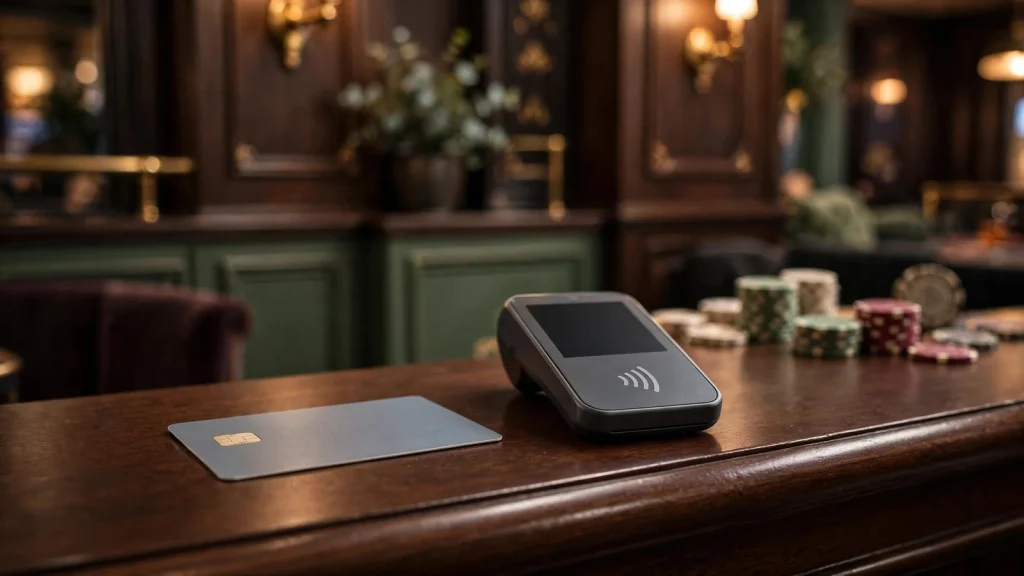
See how deposits, card eligibility, limits and withdrawals fit together when using a debit card at a UK casino.
Table of Contents
- How debit card deposits work at UK casinos
- What to check before choosing a casino payment route
- What makes a debit card usable for a casino account
- Deposit limits and the controls you can set
- Can you use a debit card to gamble online in the UK?
- Deposits, withdrawals and returning funds to your card
- How quickly card-related withdrawals reach you
- Debit cards, non-GamStop sites and account limits
- Using a Visa debit card
- How to identify a casino you can join with a debit card
How debit card deposits work at UK casinos
A debit card deposit moves money from the bank account linked to your card into your casino balance. UK casinos commonly accept debit cards, including Visa and Mastercard, so this is a familiar way to fund an account. The transaction starts in the casino’s cashier: you choose the card option, enter the requested payment details and specify the amount. The casino then submits the transaction for approval. If it is approved, the casino records the deposit in your account balance.
The card is the payment route, not the source of a separate credit facility. With a debit card, the payment is drawn against funds in the linked bank account, subject to the account and card’s terms. That distinguishes it from a credit-card payment, which draws on borrowed funds. The distinction matters because the cashier’s card option is intended for an eligible debit card, not simply any card with a familiar logo.
From cashier to casino balance
The cashier is the point where you instruct the casino to take a payment. After selecting a card, you provide the information the payment form requests. The details allow the payment to be associated with your card and sent through the relevant payment process. Your bank or card provider must approve the transaction before the casino can treat it as a completed deposit.
If you’re looking for a UK casino site that accepts debit cards, payment details can help you decide what to check before signing up. Use this list as a starting point and confirm each site’s current payment options and terms.
1. x3bet
Payout speed: 1-3 business days x3bet lists a payout speed of 1–3 business days. Check its current debit-card options and terms before you play.
2. SpinFormula
Payout speed: 1-3 business days SpinFormula lists a payout speed of 1–3 business days. Check its current debit-card options and terms before you play.
3. Zombillion
Payout speed: 1-3 business days Zombillion lists a payout speed of 1–3 business days. Check its current debit-card options and terms before you play.
4. NightLuck
Payout speed: 1-3 business days NightLuck lists a payout speed of 1–3 business days. Check its current debit-card options and terms before you play.
5. Revery Play
Payout speed: 1-3 business days Revery Play lists a payout speed of 1–3 business days. Check its current debit-card options and terms before you play.
6. BeOnBet
Payout speed: 1-3 business days BeOnBet lists a payout speed of 1–3 business days. Check its current debit-card options and terms before you play.
7. SlotoSport
Payout speed: 1-3 business days SlotoSport lists a payout speed of 1–3 business days. Check its current debit-card options and terms before you play.
8. EvoSpin
Payout speed: 1-3 business days EvoSpin lists a payout speed of 1–3 business days. Check its current debit-card options and terms before you play.
9. Amunbet
Payout speed: 1-3 business days Amunbet lists a payout speed of 1–3 business days. Check its current debit-card options and terms before you play.
10. WinBeast
Payout speed: 1-3 business days WinBeast lists a payout speed of 1–3 business days. Check its current debit-card options and terms before you play.
An approval is different from merely submitting the form. If the payment is declined, the casino should not add the requested amount to your playable balance. If it is approved, the casino updates the account balance to reflect the deposit. The exact screens and wording vary between casinos, but the basic sequence is consistent: choose the route, submit payment details, receive an authorisation decision, then see the resulting balance in the casino account.
This makes a card deposit a direct, account-to-merchant payment rather than a transfer that you arrange separately through online banking. You do not normally need to open a separate payment wallet just to make the card transaction. The casino’s cashier connects the deposit instruction to the card details you enter.
How cards differ from other deposit routes
A debit card is one of several ways a cashier may let you fund an account. Other routes use a different mechanism. A bank transfer moves money through your bank rather than presenting a card payment. An e-wallet, such as PayPal, Skrill or Neteller, involves an account with a payment provider between your bank and the casino. Apple Pay is a wallet-based method that uses a card held in the wallet. A Paysafecard voucher is prepaid and deposit-only, rather than a debit card linked to your bank account.
Velobet Payment Methods for UK Players: Cards, E-Wallets and Crypto
These routes may appear together in a cashier, but they are not interchangeable. Selecting a card means the casino processes the payment using the card details supplied. Selecting a wallet means you use the wallet’s own payment flow and account. A bank transfer is initiated through banking channels. The route you choose determines which account or payment instrument is involved in authorising the deposit.
A card deposit also differs from adding money to an account in advance. With a prepaid voucher, you obtain stored value before using it at the casino. With a debit card, the transaction draws on the linked bank account when you make the deposit. With an e-wallet, the wallet account is the immediate payment instrument, even if that wallet is itself connected to a bank account or card.
What the balance represents
The balance shown in the casino account is the amount the casino has credited for use within that account. It is not a second bank balance and it does not change the status of the money in your bank account into a new kind of payment. The debit-card transaction funds the casino account; the casino’s own balance display then records what is available there under its account rules.
Keep the payment confirmation and check the casino balance after submitting a deposit. If the transaction appears approved by your payment provider but the casino balance has not updated, avoid repeating the payment immediately: a second attempt could create another transaction. Check the cashier or account history for the payment status, then contact the casino if the record remains unclear. That approach separates a payment-authorisation issue from a balance-display issue.
The useful mental model is a sequence of linked stages: your card sends a payment instruction, the payment is assessed for approval, and the casino credits the account once it receives confirmation. A debit card is therefore a direct and commonly accepted deposit route at UK casinos, while bank transfers, wallets and prepaid vouchers work through different payment arrangements.
UK Casino Sites That Accept EcoPayz (Payz)
What to check before choosing a casino payment route
A payment method is not necessarily low-cost just because the cashier shows no charge. The total cost of a casino transaction can involve charges from several separate parties: the casino, the payment provider, your card issuer or bank, and the network that processes the payment. If the transaction involves a currency conversion, an exchange-rate spread can add another cost. A specialist payment review identifies these as possible cost sources; which ones apply depends on the route and the terms shown by the relevant providers.
Check the full transaction rather than comparing methods by name alone. A debit card, bank transfer or e-wallet may be presented as a single option in the cashier, but the casino does not necessarily control every charge connected to it. A fee might appear before you confirm a payment, in the provider’s terms, or on your bank statement. If a charge is not clear, check the casino’s payment information and the terms of the service you plan to use before proceeding.
Casinos That Accept Upaycard in the UK
Compare the complete cost
Start with any charge stated by the casino, then consider whether the provider or your bank may apply a separate fee. Your bank may also treat a transaction differently depending on the card or account terms. That means a route that appears free at the casino’s end can still carry a cost elsewhere.
When comparing two routes, keep the transaction conditions consistent. Consider the same intended amount and the same account currency, then check the costs that would apply to each route. A flat fee is visible and easy to identify, but it is not the only way a payment can become more expensive. If a provider or bank converts the transaction at an exchange rate that includes a spread, the difference may cost more than a stated flat charge. The relevant comparison is the total amount taken from your account against the amount credited to the casino balance.
Do not assume that a payment route is cheaper because it is familiar, or that every casino applies the same terms to it. Fees can depend on the parties handling the transaction and on the details of your own payment account. Where the terms do not make the cost clear, treat the amount as uncertain rather than inferring that no fee applies.
Casinos That Accept Debit Cards in the UK
Check the account currency before paying
Currency is a separate part of the cost calculation. The account currency determines how the casino records your balance; the currency of your bank or payment account determines whether another party may need to convert the payment. If those currencies differ, the casino, provider, card issuer or bank may handle conversion, and the exchange rate or spread can affect the final cost.
The payment pages reviewed for this topic state that GBP is supported, but you should confirm the currency set for your own casino account before the first transaction. Do not infer it from the language of the site or from the fact that you are paying from a UK bank account. If the account is not in pounds, check which party performs the conversion and what rate or fee applies. Selecting a route without checking this can make the amount deducted differ from the amount you expected to pay.
Currency can also affect comparisons between methods. One route may charge a visible fee while another appears not to, yet the second may use a less favourable conversion rate. Compare the credited amount and the total debit from your payment account, not just a single fee line.
Make the choice against the actual payment
A useful comparison is specific to your casino account, payment account, currency and intended transaction. Check the casino’s cashier for its stated charges and currency, then check the provider or bank terms for any additional cost. If the route involves conversion, identify who sets the exchange rate. If any part of the cost remains unclear, contact the relevant provider rather than relying on a general claim that a method is free.
This approach helps when choosing among the payment routes a casino makes available, including cards and other options. Availability alone does not tell you what a payment will cost. Nor does a fee advertised by one party necessarily describe the complete transaction. The best-suited route is the one whose total costs and currency handling you can establish before you confirm payment—not simply the one with the most familiar name or the shortest cashier description.
Casino Sites That Accept Jeton in the UK
What makes a debit card usable for a casino account
A debit card is usable only when two separate conditions line up: the casino’s cashier offers a compatible card payment route, and your particular card can be used through that route. Seeing Visa or Mastercard named on a payment page addresses only the first part in general terms. It does not confirm that the option is currently available to you or that every card carrying that network’s logo will work.
A specialist review may list Visa and Mastercard as accepted methods, but a published list is not a live check of the cashier. Payment options can change, and the cashier is where you can see which routes the operator currently presents for your account. Check it before deciding to deposit. If the card option is absent, a general statement elsewhere about card acceptance does not make it available for that transaction.
The network name is also not the whole card description. Two cards can display the same network logo but be issued under different products or account arrangements. The cashier’s terms may distinguish between products, so check whether your specific card is eligible rather than relying on the logo alone. If the available information is unclear, ask the operator or your card issuer to confirm compatibility before you submit a payment.
It helps to separate three stages that can otherwise look like one failure. First, the cashier must offer the relevant card route. Second, the card must meet the route’s eligibility conditions. Third, the transaction must be authorised when you attempt it. A card can appear suitable in principle while the cashier does not offer its route; a route can be visible while a particular card is not eligible; and an eligible card can still have a transaction that is not authorised. Checking these stages separately gives you a clearer answer than repeatedly retrying a payment without knowing where the problem lies.
Do
- Check if the cashier offers the relevant card route
- Verify that your card product meets eligibility conditions
- Ensure account and payment ownership are consistent
Don’t
- Rely on a network logo as a guarantee of acceptance
- Repeatedly retry a payment without checking compatibility
- Use a card or account that does not belong to you
Your account details matter as well as the card itself. Use account information and a payment route that belong to you. When the customer details and payment ownership point to the same person, basic ownership discrepancies are less likely to create avoidable friction during a transaction. This is a practical consistency check, not a substitute for the cashier’s eligibility rules: matching details cannot make an unsupported card product compatible.
Before depositing, compare the card information you have with what the cashier actually displays. Confirm that the card route is present, that the stated terms cover your product, and that the details you enter correspond to your own account and card. If the cashier presents more than one card-related option, do not assume they share identical eligibility conditions. Read the terms attached to the option you intend to use.
If a payment is declined, identify which stage may have failed before taking another step. Check whether the cashier still lists the method, whether the card product meets its conditions, and whether the details entered match your own account. If those checks do not explain the result, the casino or issuer can clarify whether the issue concerns the payment route or the card. Repeating the same attempt without checking compatibility may leave the cause unresolved.
The useful test is therefore specific, not merely whether a casino says it accepts debit cards. Look for the payment option in the current cashier, verify that your card product qualifies, and keep account and payment ownership consistent. That process tells you whether the card is usable for your account at the point you plan to pay, without treating a network logo or a general acceptance claim as a guarantee.
Casinos That Accept Wirecard in the UK: Payment Checks
Deposit limits and the controls you can set
The amount you can add to a casino account is governed by more than one limit. A payment method may have its own minimum or maximum, while the casino can apply limits to individual transactions or to deposits over a set period. Separately, you can use account-level controls to restrict how much you deposit. These limits do different jobs, so check which one applies before confirming a transaction.
A specialist review reports that minimum deposits at casino sites can fall in the £10–£20 range, with the threshold depending on the payment method. Treat that as a guide to the range reported, not a fixed rule for every account or cashier. The minimum shown when you select a method is the relevant amount for that transaction. If your intended deposit is below it, the payment may be rejected even though your account is open and the method is available.
Maximums also depend on the route and the account. A casino may set one ceiling for a single deposit and separate totals for deposits made across a day or month. The payment method can have its own cap, and the limit applied to your account may change with account status. As a result, a maximum displayed in general payment information may not be the maximum available to you. Check the cashier and your account controls rather than assuming that a limit seen elsewhere applies to your transaction.
Minimum Deposit
The smallest amount the casino will accept in one transaction through the selected method.
Transaction Maximum
A cap on the amount that can be submitted in a single deposit attempt.
Period Limit
A restriction on the total amount deposited across multiple transactions within a day or month.
Personal Financial Limit
A user-set control that restricts your own deposits independently of the casino’s technical caps.
What the different limits do
A minimum deposit is the smallest amount the casino will accept in one transaction through the selected method. It is not a recommended amount to deposit. The choice to deposit should remain separate from the payment threshold.
A transaction maximum caps the amount that can be submitted at once. If the amount you enter exceeds it, the transaction may not go through; reducing it to the permitted amount may resolve that particular issue, but it does not change any account-level limit.
A period limit restricts deposits across multiple transactions within a defined period, such as a day or month. It can therefore prevent a further deposit even when that deposit is within the single-transaction maximum. The cashier or account page should make clear which period and amount apply.
A personal financial limit is a control you set on your account. It is distinct from the casino’s technical cap: the operator’s cap defines what the system will accept, while your limit restricts your own deposits. If your personal limit is lower, that lower limit is the one that matters for your account.
Setting and changing an account limit
UK Gambling Commission rules require remote gambling licensees to ask new customers to set a financial limit before making their first deposit. They must also provide accessible account-level controls, so you can find and manage limits without relying solely on a payment screen.
Casinos that accept Bitcoin in the UK: how to check
When setting a limit, read its description carefully. Check whether it applies to deposits, the period it covers and how the account displays the amount already used. A limit is useful only if you understand what it measures. For example, a monthly deposit control is not the same as a cap on each individual transaction: several smaller deposits may still count towards the same period total.
If you want to lower a limit, use the account controls and check when the change takes effect. Do not assume a change is immediate unless the operator’s terms or account page confirm that. If a limit is blocking a deposit, identify whether the restriction comes from your personal control, the casino’s maximum or the selected method’s cap. Those are separate settings, and changing one will not necessarily remove another.
Before depositing, compare the amount you intend to add with the minimum, the transaction maximum and any remaining account-level allowance. This makes the result more predictable: a deposit can be within one limit and still fail because a different limit applies. Keep the controls aligned with the amount you have decided you can afford to spend; a technical maximum is not a target.
Can you use a debit card to gamble online in the UK?
Yes. You can use a debit card to fund an online casino account in the UK, provided the casino offers that payment route and accepts your card. Debit cards are distinct from credit cards: a debit-card payment draws on money held in your bank account, while a credit-card payment borrows against a credit facility.
Prohibition on Credit Cards
Remote gambling operators serving the British market are prohibited from accepting credit-card payments for gambling.
That distinction matters because remote gambling operators serving the British market cannot accept credit-card payments for gambling. The regulator introduced the ban on 14 April 2020, and it remains in force. A credit card cannot be used simply because the casino’s cashier displays a card-payment option; that option must not be used for a credit-card gambling deposit.
The restriction also covers attempts to route credit-card funds through a money service business or a digital wallet. A different route does not make a prohibited credit-card payment acceptable. Operators must also refuse wallet payments where the wallet allows credit-card funds to be used for gambling.
For a debit-card payment, the account and card still need to meet the casino’s requirements. A casino may offer card deposits without accepting every card product, so check the cashier rather than assuming that any card bearing a familiar network logo will work. The payment card should belong to you, and the details used for the casino account should identify the same customer. This helps avoid basic ownership mismatches during payment checks.
Casinos That Accept Tether in the UK: Payments
Online gambling is legal in the UK for adults aged 18 and over when the operator holds the relevant UK Gambling Commission licence. Remote gambling licensees must verify your age before allowing you to deposit. These conditions apply separately from the distinction between debit and credit cards: being old enough and using a debit card does not make an unlicensed casino a legal place to gamble.
If you are unsure which kind of card you have, check with your bank before attempting a payment. Do not treat a credit card as a substitute if a debit-card transaction is declined. The payment route must comply with the gambling rules, and the cashier’s available options determine whether your particular debit card can be used.
Deposits, withdrawals and returning funds to your card
A debit-card deposit and a withdrawal are separate transactions, even when they involve the same account. A deposit sends money from your bank account to the casino. A withdrawal is a payment the casino must approve and route back through an available payment channel. The fact that the first transaction appeared promptly does not establish how quickly the second will reach you.
Casinos That Accept Direct Banking: Payment Guide
A specialist review describes card deposits as potentially instant while a payout may take several business days. Treat that as an illustration of how the two directions can differ, not as a timetable for every casino or card. Withdrawal timing depends on the casino’s own processing and the payment route; the relevant payout information should be checked with the operator.
The destination is also constrained. UK anti-money laundering rules generally require a payout to return to the original payment source. This is part of a control on the movement of funds, not simply a preference for the method you used to deposit. If you fund an account by debit card, the casino may therefore direct the withdrawal back through that card or its associated account, subject to the operator’s payment arrangements.
This is often called a closed-loop approach: funds are returned along the route used to put them in. It helps prevent withdrawals being redirected to an unrelated person or payment account. If the original route cannot accept a payout, an operator may ask you to use an alternative destination and complete additional checks before releasing the funds. That can add steps; it does not mean you can nominate any account without review.
Casinos That Accept InstaDebit in the UK
Before depositing, read the cashier’s withdrawal terms as well as its deposit options. Confirm how the casino handles returns to the original card, what it does if that route is unavailable, and whether your account details match the payment method. A casino that accepts debit-card deposits does not necessarily send every withdrawal to the card in the same way. The route and the approval process determine what happens after you request a payout.
How quickly card-related withdrawals reach you
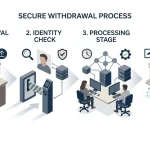
A debit-card deposit and a withdrawal are separate transactions. A deposit may appear in your casino balance immediately, but that does not mean a later payout will reach your bank at the same speed. The withdrawal has to pass through the casino’s approval process first; only then does the payment method’s delivery time become relevant.
Think of the total wait as two stages:
- Casino approval: The casino checks the withdrawal request and may need to complete KYC. A specialist review notes that first withdrawals can take longer while verification is completed. If your account is not fully verified, the casino’s checks can hold up approval.
- Payment delivery: After approval, the payout travels through the selected payment route. Its speed depends on that route and the systems supporting it.
This distinction matters when comparing fast-withdrawal options. A specialist review identifies PayPal, open banking services and debit cards connected to fast payout systems as methods that can be among the quickest. That does not make any one method a guaranteed fast option at every casino: availability and processing depend on the operator and the account.
Before requesting a payout, check the cashier’s stated processing information and whether any verification steps remain. A pending request has not necessarily been sent to your bank yet. If the casino is still reviewing it, switching attention to the bank’s delivery time will not explain the delay. Once the casino marks it as paid, the payment provider or card-linked system controls the next stage.
The same distinction applies if you play slots with a debit card: how quickly you can deposit does not establish how quickly a withdrawal will arrive. For a realistic estimate, look for separate information about casino approval and payment delivery, rather than treating a single “fast payout” label as a complete timeline.
Debit cards, non-GamStop sites and account limits
A casino described as “not on GamStop” is not necessarily a casino with a particular payment option. The phrase refers to self-exclusion, not to how a cashier handles debit cards. Card availability is a separate question, and a label or search result cannot confirm that a card can be used.
The more important distinction is regulatory status. Remote gambling licensees serving customers in Great Britain must hold a UK Gambling Commission licence. A casino outside that system does not become a lawful UK gambling site because it accepts a UK debit card or is absent from a self-exclusion scheme. Do not treat payment acceptance as evidence of licensing, or the lack of a scheme as a deposit feature.
Financial limits are a separate protection from self-exclusion. A UKGC-licensed casino must ask a new customer to set a financial limit before the customer makes a first deposit. It must also make account-level limit controls accessible, so you can manage the amount you can deposit through your account settings. These controls address spending; self-exclusion is a different measure intended to restrict access to gambling.
Attention: A casino described as "not on GamStop" does not automatically mean it is licensed for Great Britain or that it offers debit-card deposits.
That distinction matters if you are considering a casino promoted as outside GamStop. The label alone tells you neither whether the operator is licensed for Great Britain nor whether it offers debit-card deposits. It also does not tell you what account controls apply. Verify the operator’s status through the UKGC public register, and check the casino’s own account settings and cashier rather than relying on a promotional description.
If you have chosen self-exclusion because gambling is causing harm, looking for a site outside that scheme may undermine the protection you intended to use. A deposit limit and self-exclusion are not interchangeable: one controls deposits within an account, while the other restricts gambling access. A debit card’s presence in a cashier does not change that distinction.
Using a Visa debit card
Visa debit is a recognised payment option at UK casinos, but the network name alone does not confirm that your particular card can be used. A cashier may list Visa while the casino’s current UK payment options or its eligibility rules for specific card products differ. Treat the cashier as the practical check before you start a deposit.
Some specialist reviews list Visa and Mastercard as accepted methods. That information can help you identify a payment route to investigate, but it is not confirmation that Visa is currently available to every UK customer or that every Visa debit product will work. Sign in, open the cashier and look for Visa among the deposit methods shown for your account. If the option is absent, do not assume that entering card details another way will make the transaction eligible.
Check that the card is a debit card and that the account and payment details identify you as the same customer. If the cashier presents a card option, follow its instructions and review the displayed transaction details before confirming. A rejected payment may indicate that the casino does not support that card product, rather than a problem with the Visa network as a whole.
Casinos That Accept iDEAL in the UK: What to Check
The useful distinction is between Visa as a payment network and your specific card as a product offered by your bank. Acceptance of the network does not settle the product question. Confirming the option in the cashier gives you a more reliable answer than relying on a general description of casino payment methods.
How to identify a casino you can join with a debit card
To find a casino you can join using a debit card, check the payment options shown in its cashier rather than relying on a general description of accepted methods. The cashier is where the operator presents the routes currently available for that account. Look for a debit-card option before registering or depositing, and confirm that it is available to you.
Then check the account details the casino requires. The account should be in your name, and the card or other payment account you use should belong to the same customer. Matching these details reduces the chance that basic ownership checks will delay a transaction. Do not use another person’s card or enter account information that does not accurately identify you.
Before confirming a deposit, review the selected payment route and the account details displayed on screen. If the cashier does not show a debit-card option, do not assume that a method mentioned elsewhere is available for your account. Contact the operator if the options are unclear; availability can depend on the casino’s current cashier arrangements and the particular account.
For a straightforward payment record, keep to one named account consistently for deposits and withdrawals where the operator permits it. This makes the ownership trail easier to follow if the casino needs to check a transaction. It does not guarantee that every payment will be accepted or processed without review, so follow any instructions shown in the cashier and provide accurate information when setting up your account.
Are Visa and Mastercard deposits definitely debit cards?
No. Visa and Mastercard are card networks, and the cashier’s listing does not by itself confirm that your specific card is an eligible debit card. Check the card type and current eligibility in the casino cashier.
What is the fastest withdrawal method for UK casinos?
PayPal, open banking services and debit cards linked to fast payout systems are generally among the quickest. The casino’s approval process and your account verification status also affect how quickly you receive the money.
Which payment methods are accepted in Great Britain?
UK casinos commonly accept Visa and Mastercard debit cards, and some also offer bank transfers, open banking, e-wallets such as PayPal, Skrill and Neteller, Apple Pay, or Paysafecard for deposits. The available options vary by casino, so check its cashier.
What is the current minimum deposit?
The minimum deposit usually starts at £10–£20, depending on the payment method.
Can I deposit in GBP?
Yes, GBP is supported. Check your account currency before depositing to help avoid currency conversion.
Which method has the lowest fees?
There is no universally lowest-fee method. Compare the casino’s charges, provider and bank fees, any currency-conversion spread, and network costs for the amount you plan to deposit.
Is Skrill available?
Yes, Skrill is available at some UK-friendly casino sites and is a common deposit option. It may be excluded from promotions, so check the casino’s terms.
Velobet Payment Methods for UK Players: Cards, E-Wallets and Crypto
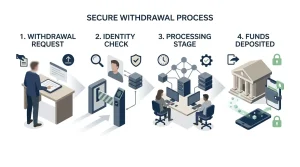
Velobet Withdrawals: Process, Verification, Times and Limits to Check
Velobet UK Guide A Velobet withdrawal is best understood as a sequence: request the payout,...

Anonymous Crypto Casinos in the UK: What to Know
See how Bitcoin payments move, what no-KYC registration involves, and why a casino may still...

BNB Casino Comparison UK: Licensing and Claims
UK licensing rules prevent licensed operators from taking crypto for gambling, so BNB claims need...

Bitcoin Cash casino comparison for the UK
The comparison explains UK licensing limits and how offshore operators handle BCH accounts, payments, wagering...

Cardano ADA Casino Comparison for the UK
ADA acceptance does not establish UK authorisation; licensed operators cannot accept cryptocurrency as a gambling...

Credit Cards at UK Casino Sites: What the Rules Say
UK-licensed online casinos cannot accept credit-card payments for gambling, but other payment methods have their...

UK Casino Sites That Accept EcoPayz (Payz)
EcoPayz became Payz in 2022, so casino cashiers may use the newer name for the...

Casino Sites That Accept Jeton in the UK
Learn how to verify Jeton in the cashier and assess deposits, withdrawals, bonuses, limits and...

UK Casino Sites That Accept Skrill: Payments Explained
Skrill access can depend on the casino account and transaction, while cashier steps, promotions and...

UK Casinos and Apple Pay: How Boku Differs
Boku charges a mobile bill or prepaid balance, while Apple Pay is a separate option...

Casinos That Accept AstroPay in the UK: What to Check
Availability can vary by casino and account, so cashier instructions matter more than older payment-method...

Bank cheques at UK casinos: how Boku differs
Boku is a Pay by Phone deposit, not a bank cheque, and its availability at...

Casinos That Accept Bank Transfers in the UK
Bank transfers use a bank account, while Boku charges a mobile bill or prepaid credit,...

Casinos that accept Bitcoin in the UK: how to check
Separate general cryptocurrency claims from confirmed Bitcoin support, and assess what rankings and Bitcoin Cash...

Casinos That Accept Boku in the UK: Payments & Bonuses
Boku funds a casino account, but bonus terms determine eligibility and withdrawals require a separate...

Casinos That Accept CashtoCode in the UK
A casino’s payment listing can confirm a deposit route, but bonuses and withdrawals need separate...

Casinos That Accept Citadel in the UK: Payment Guide
Payment availability, bonus terms and account details can shape deposits and withdrawals, while remaining separate...

Casinos That Accept Click2Pay in the UK: What to Check
Payment availability, bonus eligibility and slot rules are separate; current cashier listings and promotion terms...

Casinos That Accept ClickandBuy in the UK
A cashier option does not confirm bonus eligibility or withdrawal availability, and payment choice does...
Casinos That Accept Debit Cards in the UK
Debit cards move funds from a linked bank account, while the casino cashier determines whether...

Casinos That Accept Diners Club in the UK
Card availability, bonus eligibility and withdrawals are separate checks, so confirm each before making a...

Casinos That Accept Dogecoin in the UK: What to Check
Dogecoin acceptance, game access and promotion terms are separate conditions, so each claim needs to...

Casinos That Accept E-Checks in the UK
Availability can depend on the account, location and payment details, while processing times and fees...

Casinos That Accept E-Cheque in the UK: What to Check
Availability depends on the options shown for an account, and deposit access does not confirm...

Casinos That Accept EntroPay in the UK: What to Check
Availability is confirmed only when EntroPay appears as a selectable option in the signed-in account’s...

Casinos That Accept Ethereum in the UK
Ethereum availability can differ between deposits and withdrawals, while account checks and bonus rules may...

UK Casinos That Accept E-Wallets: Payment Guide
Understand how casino cashiers handle e-wallet payments, from deposit eligibility and limits to withdrawal timing...

Casinos That Accept Giropay in the UK: What to Check
A Giropay mention alone does not confirm UK availability, slot funding, or whether the same...

Casinos That Accept Google Pay in the UK
Google Pay availability depends on the deposit options shown in the account cashier, not on...

Casinos That Accept iDEAL in the UK: What to Check
A successful deposit may still be excluded from a promotion, so casino payment terms and...

Casinos That Accept InstaDebit in the UK
Payment options can vary by operator, location and account, so cashier listings—not general payment pages—are...

Casinos That Accept Interac in the UK: How to Check
Availability depends on the operator, location and account, while deposit and withdrawal options may differ....

Klarna at UK Online Casinos: Deposits and Bonuses
Klarna availability, bonus eligibility and withdrawal methods are separate questions, so check the operator’s terms...

Casinos That Accept Litecoin in the UK: What to Check
Understand how cashier support, bonus terms, currency checks and withdrawal delays can affect a Litecoin...

Casinos That Accept Maestro in the UK: What to Check
Maestro acceptance, promotion eligibility and slot rules are separate checks, while cashier options and withdrawal...

Casinos That Accept Mastercard in the UK
Mastercard can fund slot play, but bonus eligibility depends on the casino’s promotion and payment...

Casinos That Accept MiFinity in the UK: What to Check
MiFinity availability, bonus eligibility and withdrawal checks are separate, so confirm each casino’s terms before...

Casinos That Accept Monzo in the UK: Card Deposits
A card option in the cashier is only the first step; the processor and Monzo...
Casinos That Accept MuchBetter in the UK
The guide covers cashier availability, bonus conditions, payment costs, withdrawals and UK gambling safeguards. How...
Casinos that accept Neosurf in the UK: payment checks
Neosurf availability is account-specific, so the signed-in deposit cashier is the practical place to confirm...

Casinos That Accept Neteller in the UK: What to Check
Acceptance can depend on the casino and payment route, while deposit terms, bonus eligibility and...

UK Casinos That Accept Boku Pay by Phone
Boku deposits use a mobile number and an SMS code, while casino withdrawals follow a...

Casinos that accept PayPal in the UK: what to check
PayPal availability can depend on the account and transaction, so confirm payment, bonus and withdrawal...

Casinos That Accept POLi in the UK: What to Check
A POLi listing is only a payment claim; availability and bonus eligibility depend on separate...

Casinos That Accept Revolut in the UK: Payment Guide
A Revolut-linked payment works only when the product, transaction route and casino cashier arrangements align....

Casinos That Accept Ripple XRP in the UK
XRP availability depends on the payment routes shown for an account, not simply on a...

Casinos That Accept Siru Mobile in the UK
Siru Mobile availability, deposit limits, bonus rules and withdrawals can vary by casino, so check...

Casinos That Accept Solana in the UK: Payment Guide
Boku identifies a mobile-billing route, while Solana uses a separate payment network; neither establishes the...

Casinos That Accept Tether in the UK: Payments
Understand how USDT deposits and withdrawals depend on cashier support, network compatibility, account controls and...

Ukash Casinos in the UK: How to Check Payment Options
Prepaid deposits depend on both casino support and payment-account eligibility, while fees and currency conversion...
Casinos That Accept Upaycard in the UK
A casino’s cashier is the relevant check: general payment pages and card logos do not...

Casinos That Accept USDC in the UK: Payment Checks
USDC support concerns how funds reach an account; games, bonus eligibility and withdrawal conditions require...
Casinos That Accept Visa in the UK: Deposits
A Visa payment request goes through the casino and card issuer before approved funds appear...

Casinos That Accept WebMoney in the UK
WebMoney availability depends on the casino cashier and region, while payment routes can affect limits,...

Casinos That Accept Wire Transfers in the UK
Bank transfers and open banking use different payment routes, so cashier options and the details...

Casinos That Accept Wirecard in the UK: Payment Checks
A successful card deposit does not guarantee bonus eligibility, and casino cashiers may offer different...

Casinos that accept Zimpler in the UK: what to check
Acceptance, payout routing and bonus eligibility are separate checks, and availability should be confirmed in...

Instant Bank Transfers at UK Casinos: What to Check
Bank transfer labels can cover different payment routes, so deposits, withdrawals and speed claims depend...

iPad Casinos in the UK: Payments, Apps and Games
The casino cashier and payment provider determine available deposit and withdrawal routes, while apps and...

Mobile Casino Top-Up in the UK: Phone Billing
A phone can be just the device you use: the cashier’s payment method determines whether...

Online Casinos That Accept SMS Deposits: Boku Guide
See how SMS verification connects a Boku payment to a casino account and what to...

Pay by Mobile Casinos UK: How Phone Deposits Work
Paying through a mobile network funds the casino account, while the operator’s game catalogue determines...

Pay by phone bill at UK casinos: how it works
Payforit deposits use a mobile number and an SMS confirmation code, with the casino cashier...

Pay by Phone Casinos UK: How Payforit Works
Payforit charges the linked mobile account, with an SMS code required to authorise the deposit....

Payforit Mobile Casinos UK: Deposits and Checks
Payforit links a casino deposit to a mobile number and SMS confirmation, while withdrawals follow...

Casinos That Accept Direct Banking: Payment Guide
See how Open Banking authorisation works and what can affect deposits, withdrawals and payment checks...

TRON (TRX) Casino Comparison for the UK
The guide distinguishes operator-specific TRON payment evidence from Bitcoin Cash mechanics and outlines UK licensing...

UK Crypto Casinos Without KYC: Rules and Risks
The guide explains how Great Britain’s licensing rules differ from offshore permissions and what to...